About Jesús Enguid
 I was born in Zaragoza, Spain, in 1979. I studied Industrial Engineering at the Polytechnic Center of the University of Zaragoza in the late 1990s, followed by Translation and Interpreting at the Autonomous University of Madrid.
Over the course of my more than 20-year career as a technical translator, I have provided translation services to some of Europe’s largest companies. I have delivered major projects for companies across a wide range of sectors, including the automotive industry, agricultural and construction machinery, industrial manufacturing, power generation, machine tools, rail, IT, marine and marketing.
Over the years, I have developed purpose-built tools that enable rigorous quality assurance and ensure the consistency and accuracy of technical texts.
Alongside technical translation, I translate and adapt marketing content—an area in which a literal translation is not enough: the text must engage the reader and strengthen the brand’s identity. My aim is to capture the intent, tone and nuances of the original message and adapt them naturally for the target audience. The result is engaging, fluent and persuasive copy that never feels translated and is designed to elicit the same response from the reader as the original.
Areas of expertise
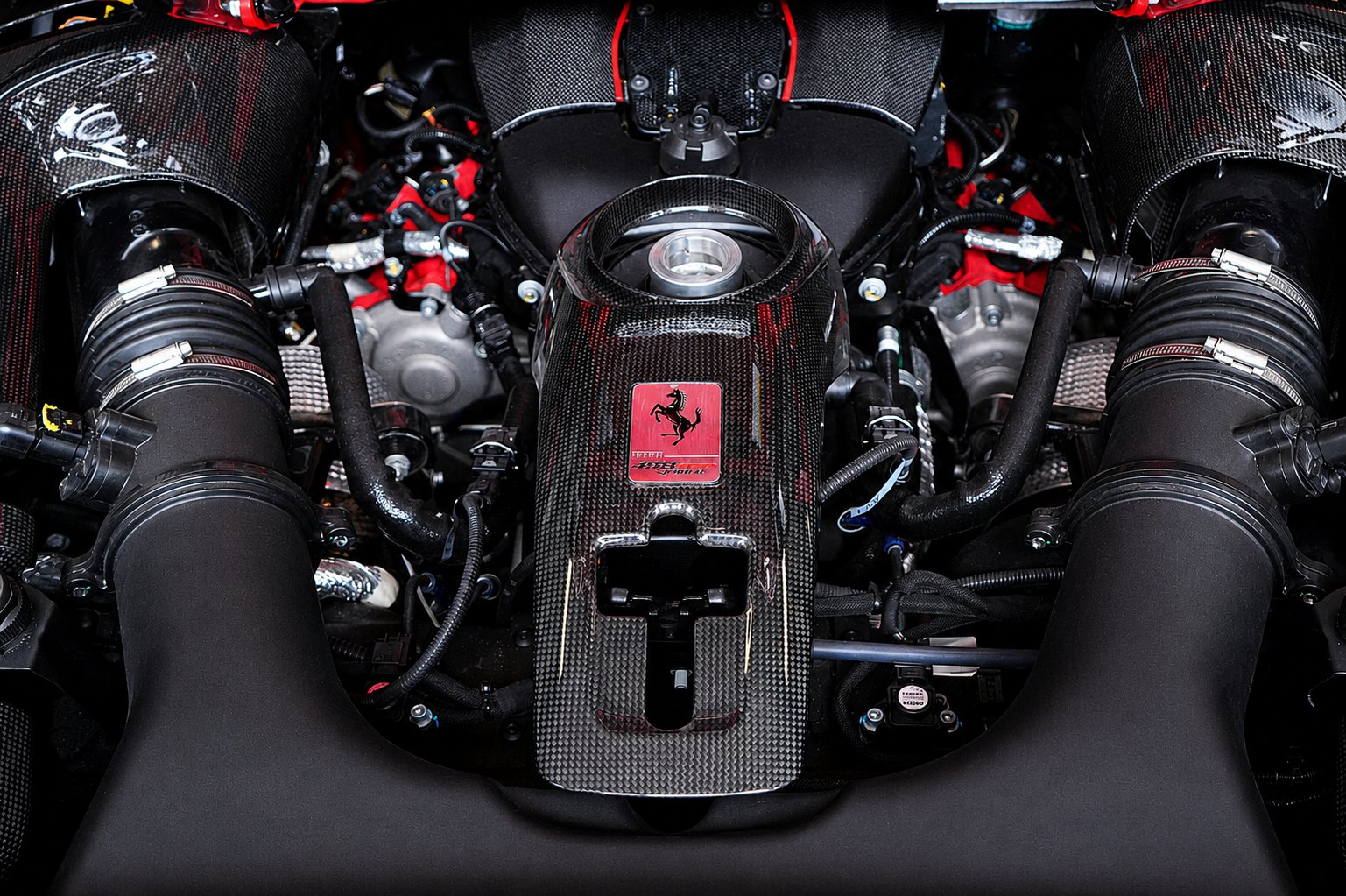 Automotive
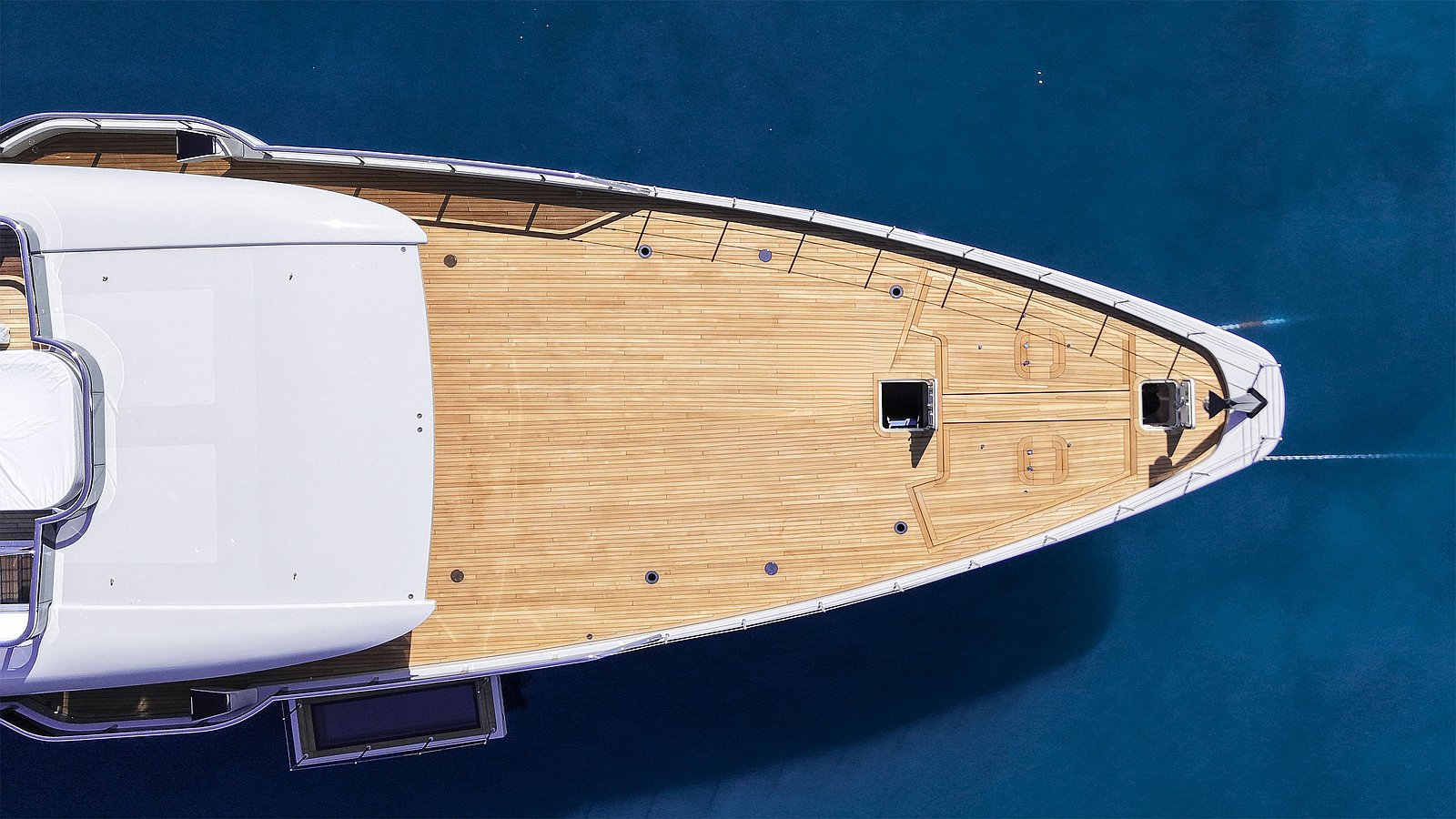 Marine
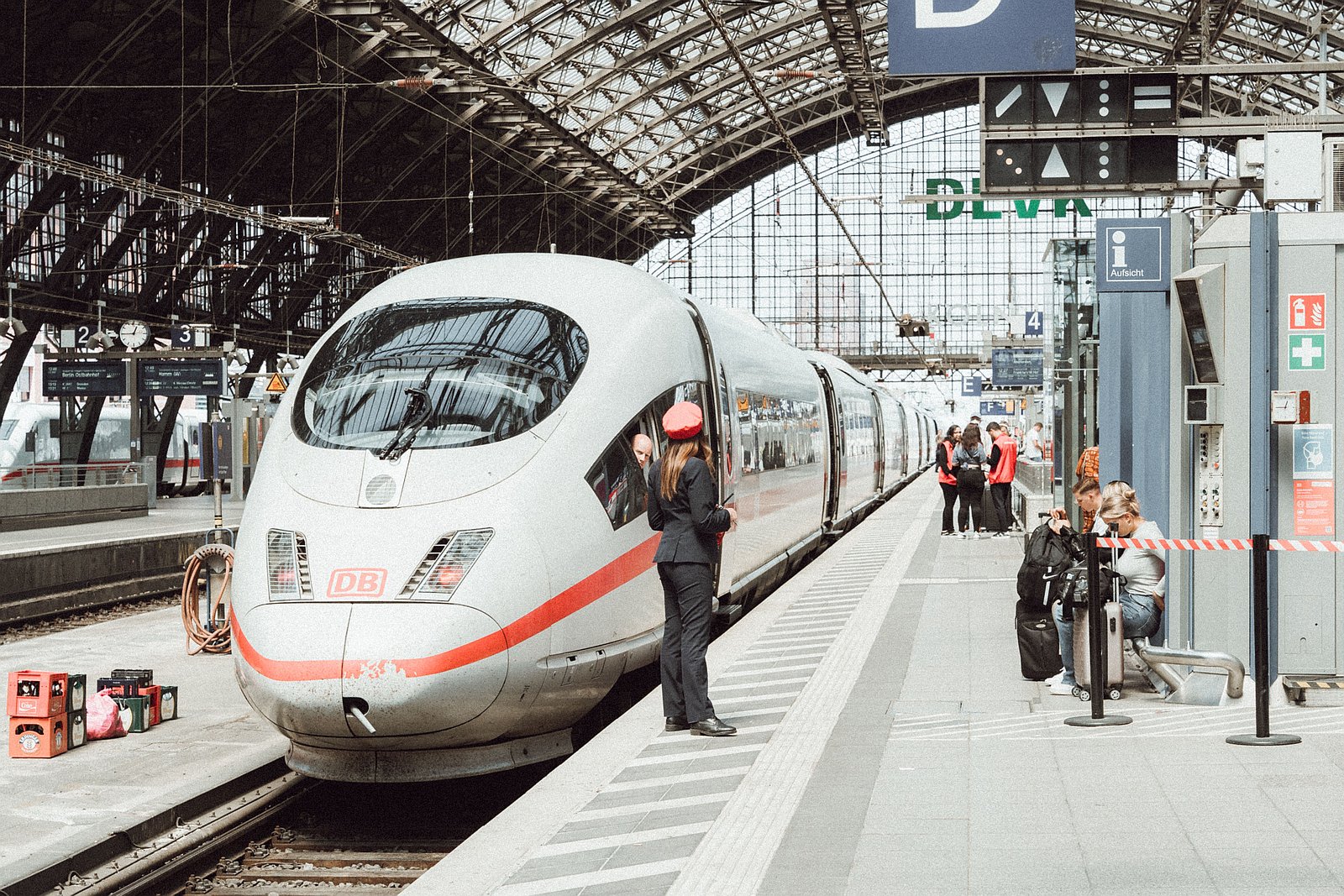 Rail industry
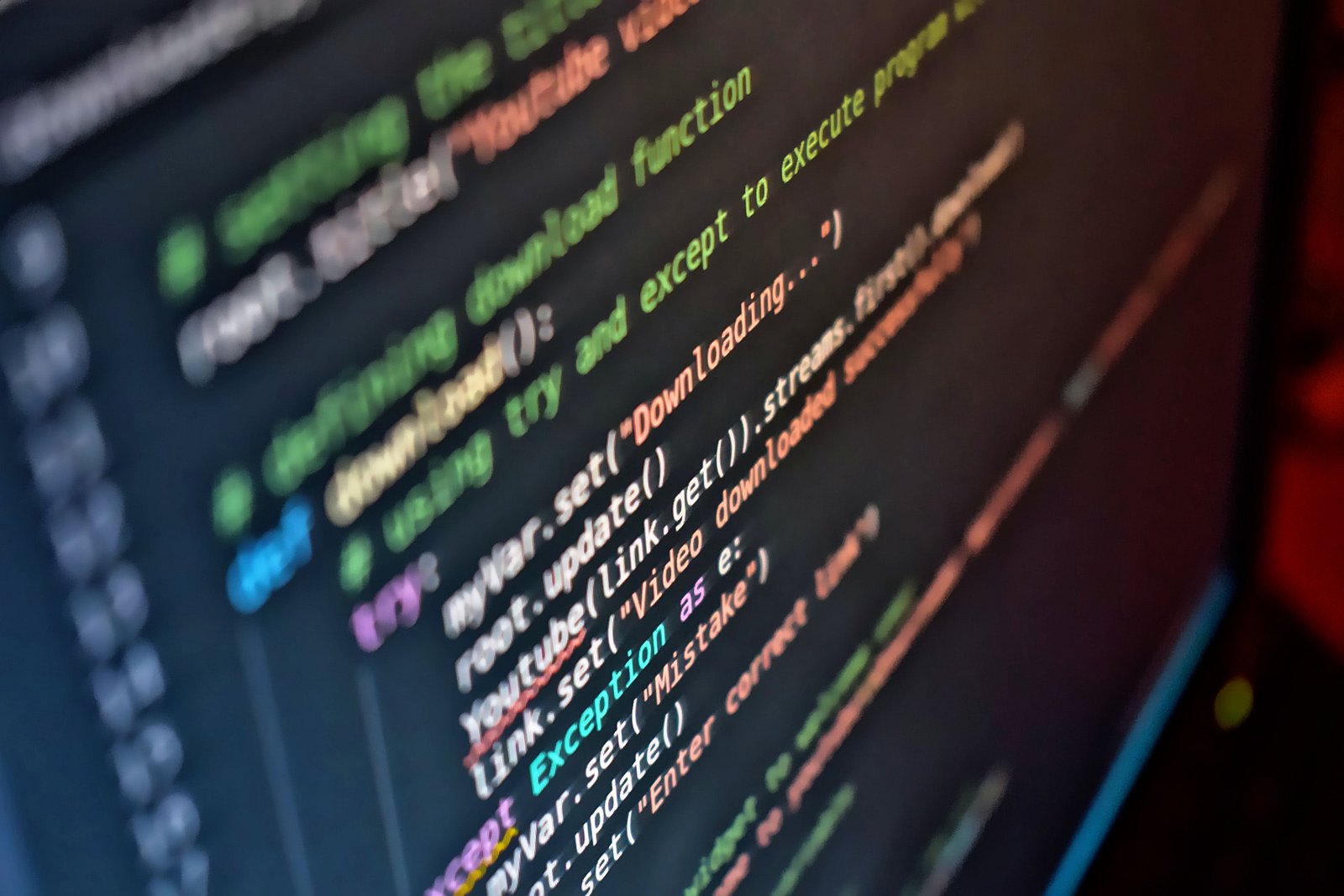 Information technology
 Agricultural machinery
 Construction machinery
 Material handling equipment
 Tires
Tires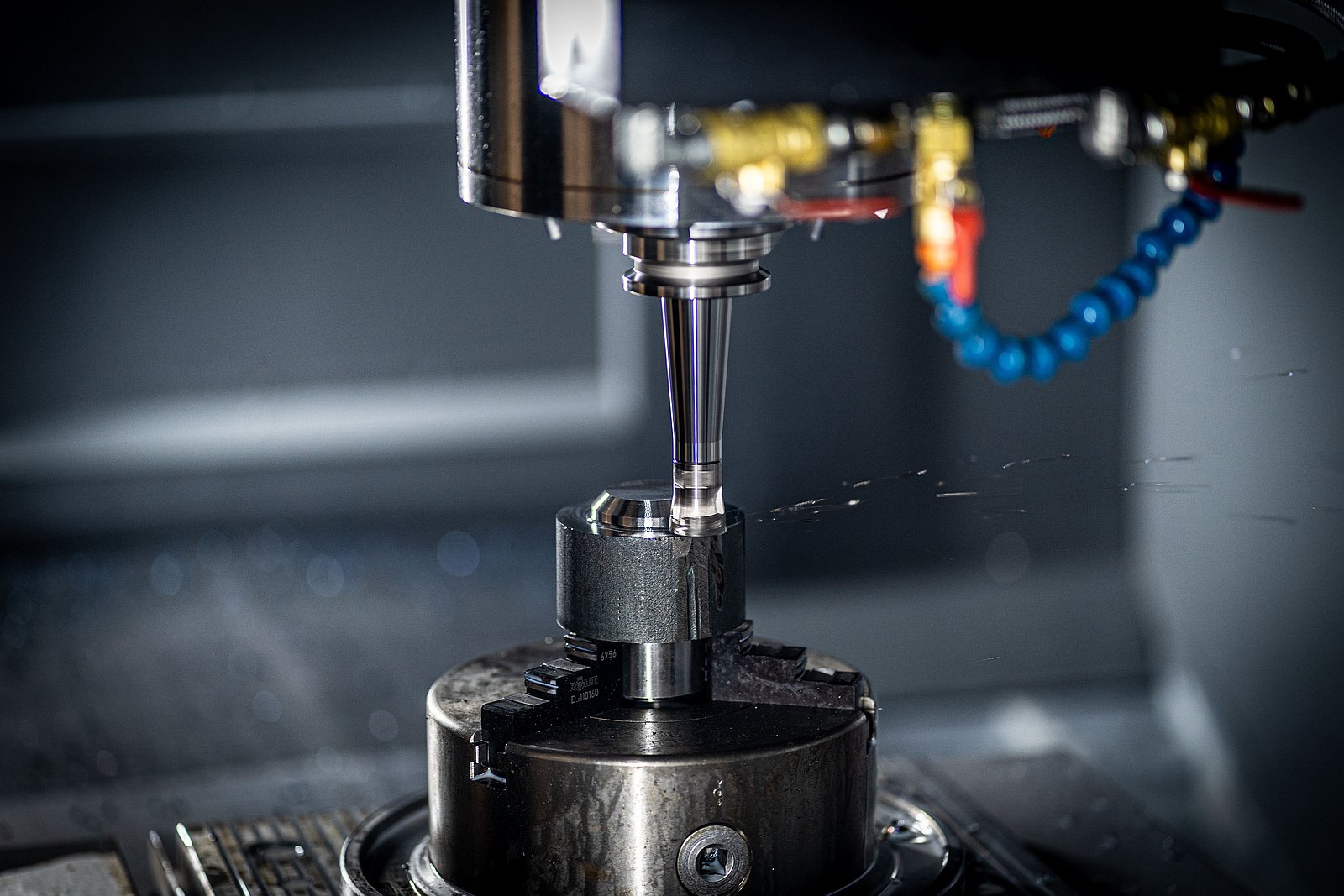 Machine tools and machining
 Other machinery
 Manufacturing
 Marketing
Automotive
For more than two decades, I have worked with leading manufacturers of cars and motorcycles, trucks and vans, producing content of the highest quality: owner’s manuals and service manuals, as well as marketing copy that calls for the subtlety only a human translator can provide.
My clients include some of the world’s leading luxury sports car manufacturers.
Translating automotive content requires an understanding of the differences between various powertrain systems and precise use of terminology covering engines, transmissions, chassis, suspension, braking systems, electronics, driver assistance systems and diagnostic equipment.
Service manuals, in particular, call for clear and consistent instructions, as they describe diagnostic, assembly, disassembly and repair procedures. It is also essential to ensure that the text and illustrations correspond to the actual vehicle components and to the terminology used in diagnostic tools.
In recent years, I have gained extensive experience translating electric vehicle manuals. This documentation demands a detailed understanding of batteries, electric motors, inverters, charging and energy recovery systems, thermal management and high-voltage circuits, together with meticulous attention to safety warnings and procedures.
Marine
I have worked on numerous marine industry projects covering small craft, luxury yachts and naval vessels. This broad range of experience has familiarized me with documentation intended for private owners, crews, shipyards and specialist technical personnel.
Marine translation requires a sound knowledge of terminology relating to the different parts of a vessel, as well as its propulsion, steering, navigation, anchoring and mooring systems. The documentation may also cover electrical, electronic, hydraulic and communications equipment, together with fuel, climate control, bilge pumping, fresh water, wastewater and fire protection systems.
Projects may include owner’s manuals, installation and maintenance instructions, documentation for onboard equipment, control interfaces, drawings and technical specifications. On luxury yachts, automation, entertainment, lighting, climate control and integrated control systems are also particularly important.
Accuracy is essential when describing maneuvers, emergency procedures and maintenance operations. Terminology must remain consistent throughout the documentation so that every component, control and system can be identified immediately, while taking into account the type of vessel and its operating conditions.
Rail industry
The rail industry encompasses rolling stock, infrastructure, signaling, control systems and all the equipment required to transport passengers and freight safely, efficiently and on time.
I have extensive experience translating technical documentation for railway vehicles and systems, including high-speed and conventional rail, metros, trams and freight transport. These projects include operating and maintenance manuals, diagnostic and repair procedures, technical specifications, parts catalogs, control interfaces and instructions for train drivers, operators and maintenance personnel.
The terminology covers traction and braking systems, bogies, axles, suspension systems, doors, couplers, pneumatic circuits, electrical equipment and auxiliary systems. It also extends to technologies such as ERTMS and ETCS, digital signaling, traffic management, onboard communications, remote diagnostics and predictive maintenance.
In the rail industry, each term must retain the same meaning across manuals, drawings, interfaces, alarms and maintenance procedures. Accurate translation makes it easier to identify components and carry out procedures correctly—both essential in an industry where reliability, coordination and safety are always paramount.
Information technology
I have been passionate about computing since childhood and was already creating my own programs at an early age. I can work with virtually any type of file, including conventional documents, spreadsheets, presentations and terminology databases, as well as formats used in software development and localization, such as HTML, XML, JSON, YAML, XLIFF, PO and resource files.
IT translation encompasses everything from software, applications and operating systems to websites, online platforms, user interfaces, help files and technical documentation. Each type of content presents its own challenges and calls for precise terminology combined with clear, natural language tailored to the end user.
I handle translatable content without altering the file structure, keeping code, tags, variables, placeholders and all other technical elements intact.
In user interface localization, consistency across menus, buttons, dialog boxes, messages, options and help documentation is essential. Space constraints, operating system conventions and the context in which each string appears must also be considered, especially when the source text is brief or open to more than one interpretation.
Consistent terminology makes IT documentation easier to understand and prevents the same element from being referred to by different names across the product. Particular attention must be paid to consistency between the interface, instructions, screenshots and support materials so that the resulting Spanish is accurate, functional and natural.
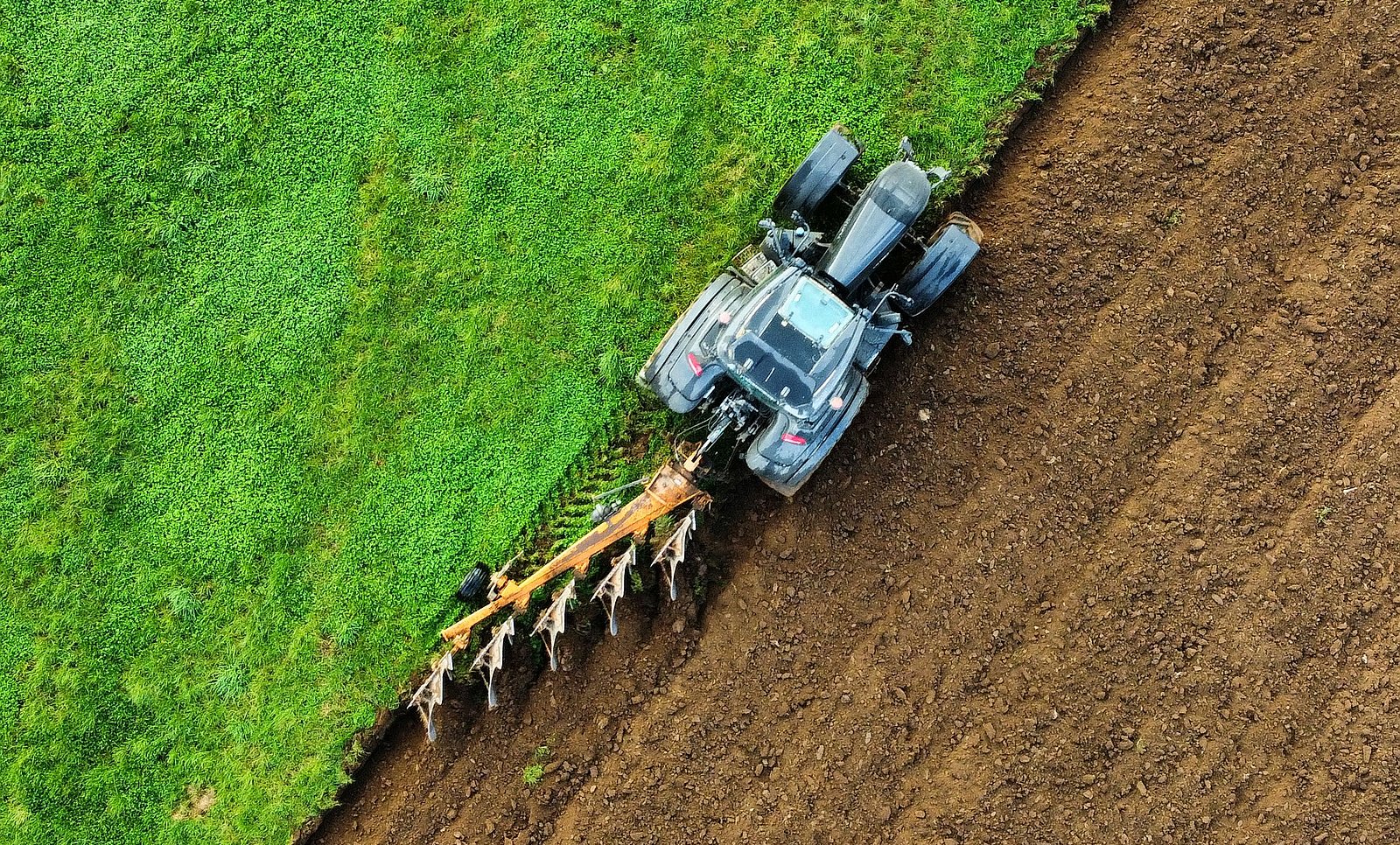
Agricultural machinery
My connection with agriculture goes back to my childhood. Having grown up in a farming family, I was introduced to farm work and agricultural machinery from an early age. This background has given me a thorough understanding of not only the technical terminology, but also the everyday language used by farmers, operators and mechanics in the industry.
Agricultural machinery combines increasingly advanced mechanical, hydraulic, electrical and electronic systems. Translating documentation for tractors and harvesters requires familiarity with both traditional components and the latest technologies used in precision agriculture.
For 20 years, I have translated operator, maintenance and service manuals for tractors and combine harvesters. This documentation covers engines, transmissions, power take-offs, hydraulic systems, implements, harvesting headers and threshing, separation, cleaning and unloading systems.
Modern agricultural machinery incorporates satellite-based autoguidance systems, GNSS receivers, telemetry, sensors, cameras, ISOBUS connectivity and fleet management tools. These machines can also generate yield maps, control implements and vary the application rate of seed, fertilizer or crop protection products to suit conditions in each part of the field. Other capabilities include remote diagnostics, data exchange and the partial or complete automation of specific operations.
Translating this content calls for precise, consistent terminology across manuals, in-cab displays and farm management applications. It is also essential to distinguish clearly between the functions of the machine, the implement and the control system, enabling operators to configure equipment, interpret data and work safely and efficiently.
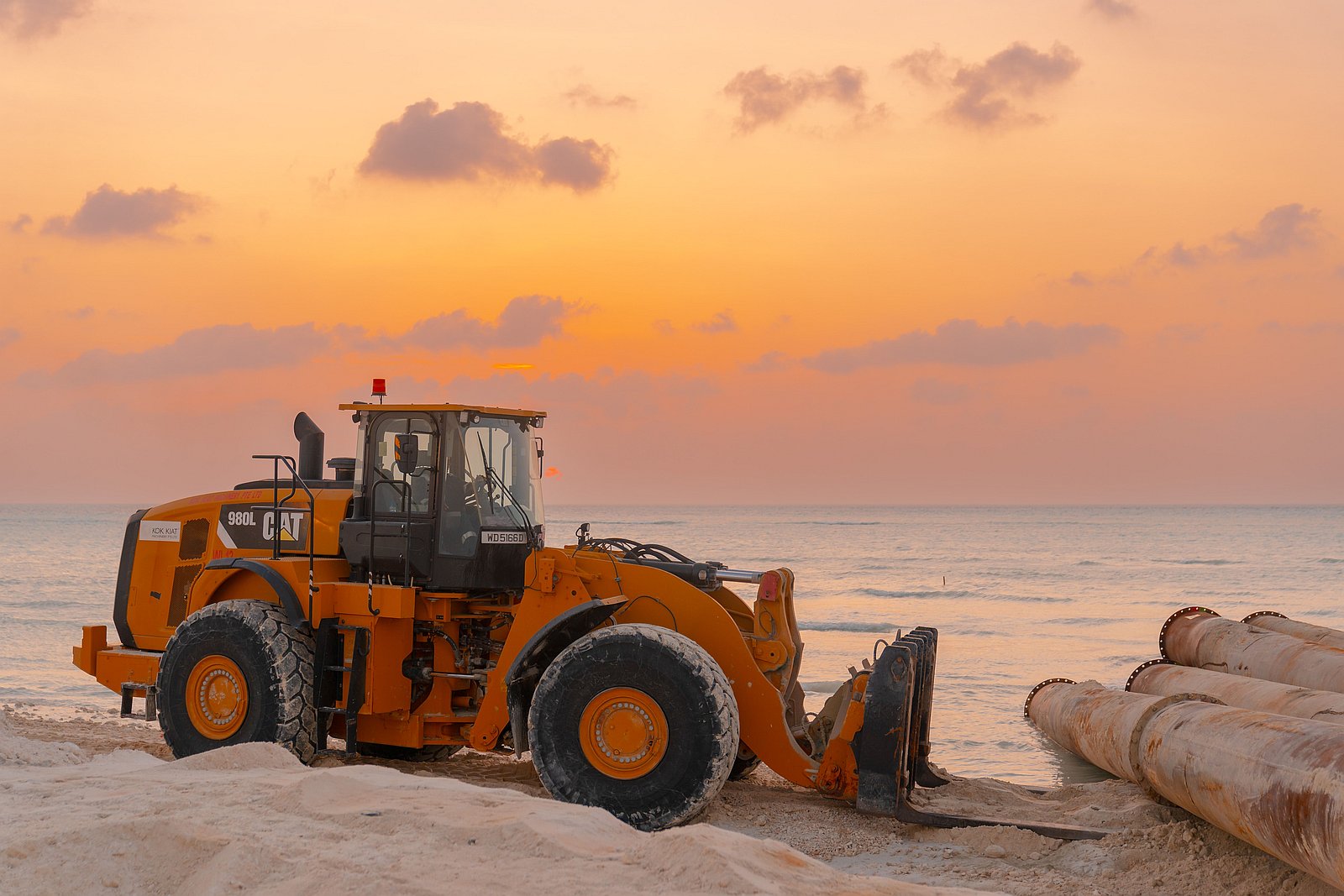
Construction machinery
Construction machinery covers a wide range of equipment, including excavators, loaders, bulldozers, graders, backhoe loaders, compactors, cranes and mobile elevating work platforms. Each machine has its own features and applications, so its documentation requires a thorough understanding of its components, movements and operations.
I have extensive experience translating operator, maintenance and service manuals for this type of machinery. These documents cover hydraulic systems, engines, transmissions, undercarriages, structures, attachments and electrical and electronic systems, together with diagnostic, disassembly, repair, adjustment and testing procedures.
The latest machines incorporate grade and depth control systems, satellite positioning, telemetry, cameras, proximity sensors, onboard weighing systems and remote diagnostics. Electric and hybrid models are also becoming increasingly common, along with systems for monitoring each machine’s fuel or energy consumption, performance, location and condition.
In this sector, translation accuracy is especially important for safety. Instructions must clearly describe machine movements, load capacities, hazardous areas and maintenance operations. Consistent terminology across manuals, controls, displays and warnings helps operators identify each function correctly and use the equipment safely and efficiently.
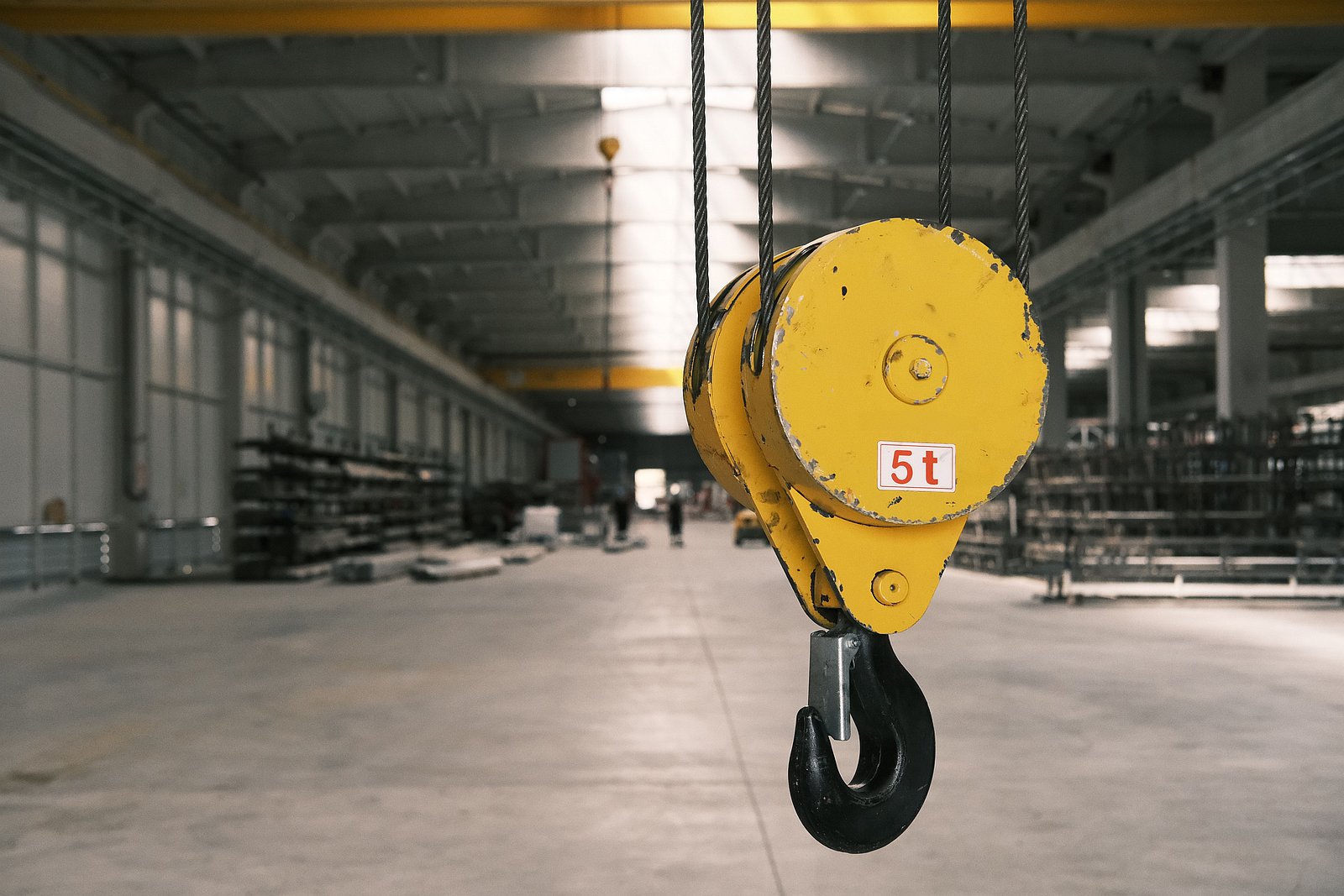
Material handling equipment
Material handling equipment is used to lift, transport, store and position materials in warehouses, distribution centers, industrial facilities and construction sites. This category includes forklifts, pallet jacks, stackers, order pickers, reach trucks and telehandlers, among other equipment.
Translation in this field involves specific concepts relating to load capacity, center of gravity, lift height and machine stability. Components such as the mast, forks, fork carriage, counterweight and attachments must be identified accurately, while movements such as lifting, lowering, tilting, extending and side shifting must be described clearly.
Particular attention must also be paid to load charts and concepts such as rated capacity and residual capacity, which vary according to the lift height, load position and attachment installed. Ambiguous wording can lead to the equipment’s operating limits being misinterpreted.
Modern models incorporate access control, fleet management, cameras, sensors, automatic speed limiting and collision avoidance systems. Logistics environments also use automated guided vehicles and autonomous equipment connected to warehouse management systems. Terminology must remain consistent across manuals, displays, safety labels and controls, allowing operators to identify each function and handle loads safely and efficiently.
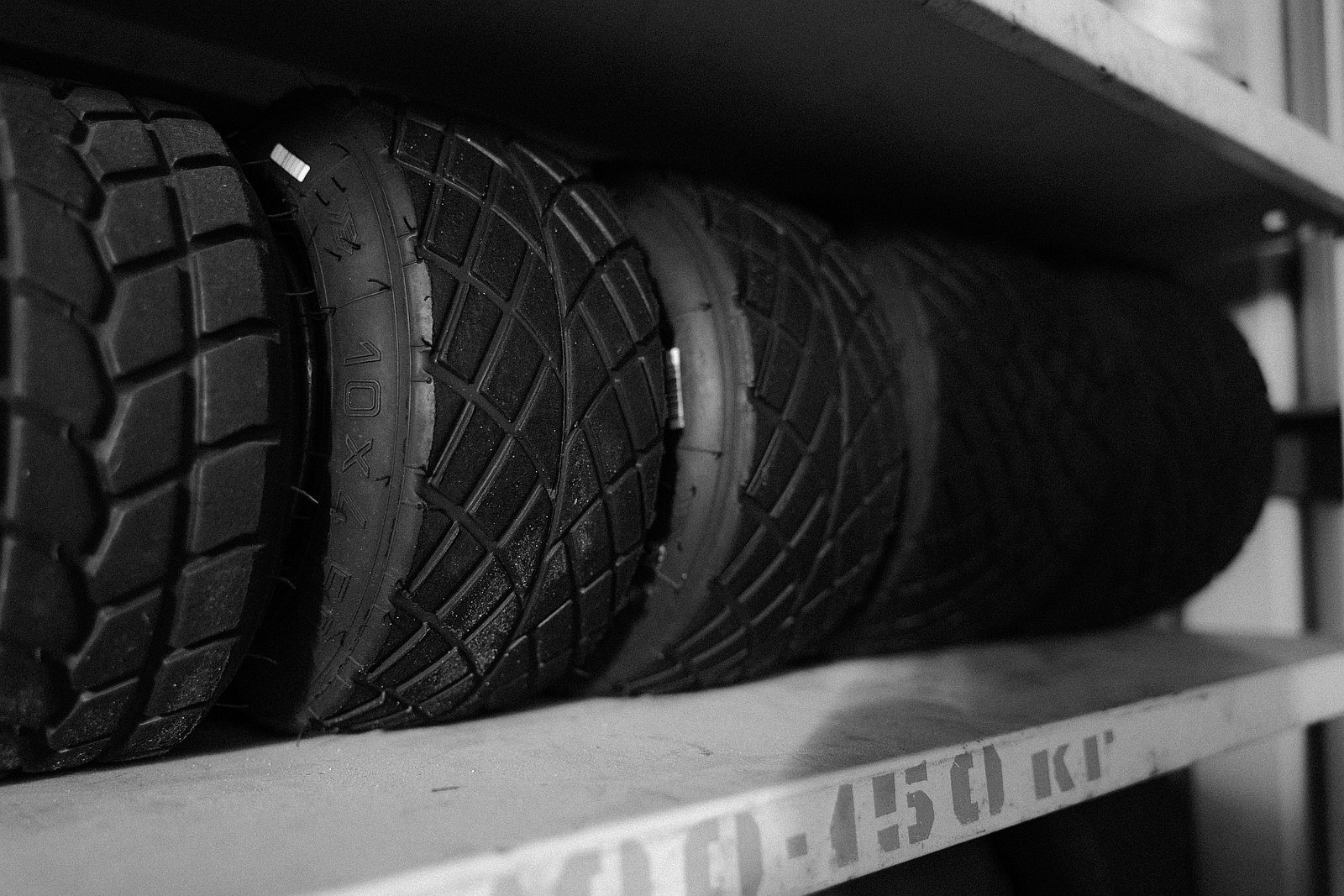
Tires
My experience covers both technical documentation and commercial content aimed at industry professionals and end users. I have completed translation projects for many of the industry’s leading companies.
Terminological accuracy is essential when translating information about fitting, maintenance, inspection, repair, retreading and regrooving. In marketing content, product benefits must also be communicated in natural, persuasive language, with the nuances that only a professional human translator can bring.
Translating tire documentation requires a thorough understanding of tire components, characteristics and applications, including the tread, sidewalls, beads, casing, compounds and different tread patterns. Tire sizes, load and speed ratings, inflation pressures, traction performance and other data that determine compatibility and tire behavior must also be interpreted correctly.
The content may relate to tires for cars, motorcycles, trucks, vans, agricultural machinery or construction equipment. Each application has its own criteria for grip, wear, rolling resistance, fuel consumption, comfort, noise, service life and performance on different surfaces.
Machine tools and machining
Machine tools are used to manufacture components through operations that alter their shape, dimensions or surface finish. Examples include lathes, milling machines, drilling machines, grinders, machining centers and electrical discharge machines. Many use computer numerical control (CNC), enabling complex operations to be performed with a high degree of precision, repeatability and automation.
I have more than 20 years of experience working on projects involving machine tools and machining.
Translating user interfaces for machine tools requires exceptionally precise and consistent terminology. The same term must always be used for a given concept across menus, buttons, messages, alarms, parameters and the corresponding manuals. Terminology must remain consistent across the interface, instruction manual, diagrams, technical documentation and the machine’s physical components.
A literal translation can result in inaccurate terminology or even incorrect instructions. For this reason, interface localization must take into account how the machine actually works and the specific context of each string. The aim is to ensure that operators can identify every function immediately and that terminology remains clear and consistent throughout the documentation.
Other machinery
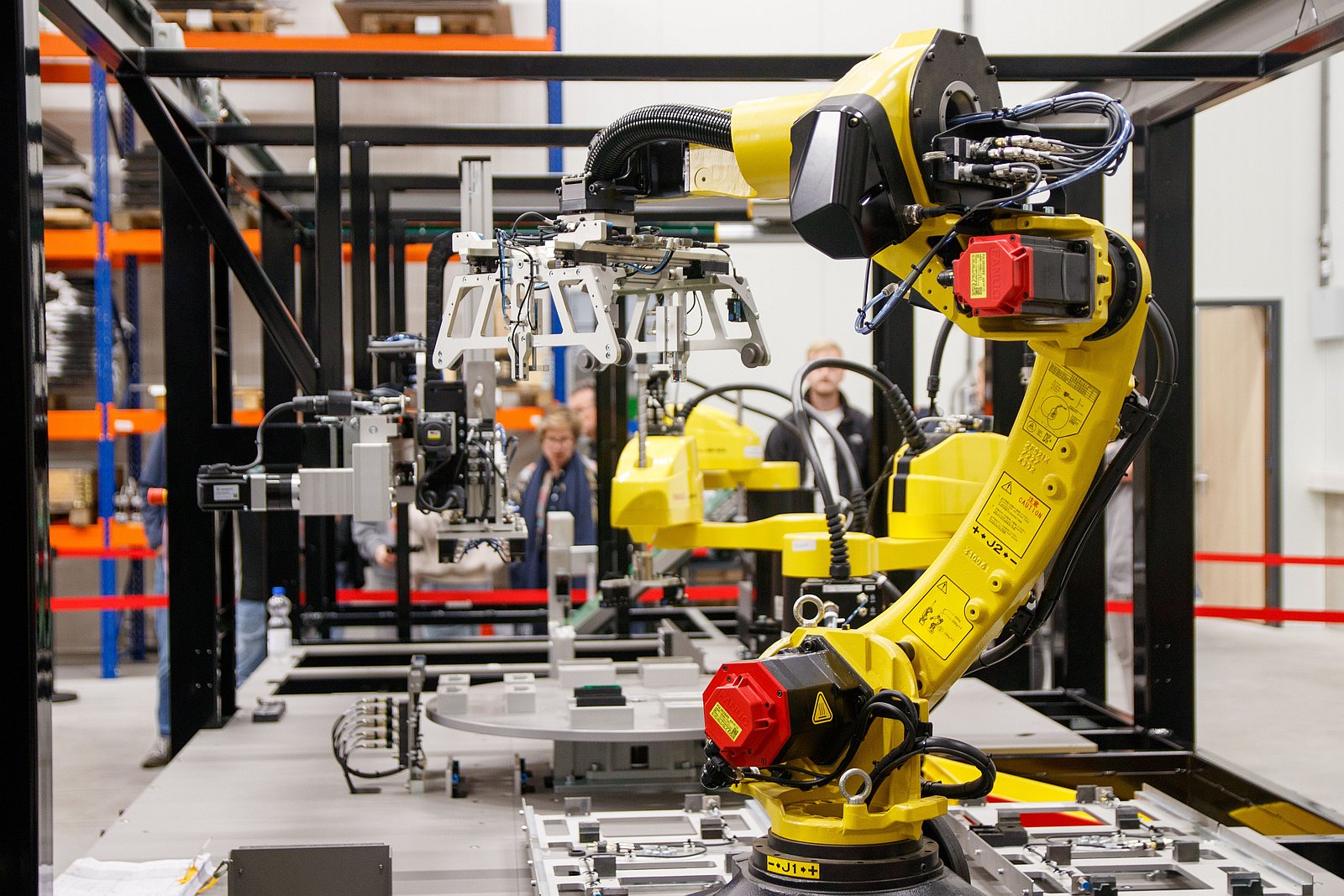
In addition to these specialist fields, I have extensive experience translating documentation for a wide variety of machinery and industrial equipment. Every project requires an understanding of how the system works as a whole, how its components interact and the sequence of operations to be performed by the user.
This documentation may cover mechanical, electrical, electronic, pneumatic and hydraulic systems. Hydraulic pumps are one example, and their documentation requires a clear distinction between concepts such as pressure, flow rate, displacement, suction, discharge, direction of rotation and efficiency. It is also essential to identify the different types of pumps and their components accurately, and to recognize phenomena such as cavitation, leakage and pressure loss.
Projects may include installation, operating and maintenance manuals, catalogs, data sheets, component lists, repair procedures and control interfaces. The translation must maintain a clear correspondence between the text, drawings, diagrams, part references and machine controls.
In this type of documentation, understanding how the equipment works is essential for choosing the right terminology and describing each operation clearly. Accurate translation helps ensure that machinery is installed and operated correctly, while also contributing to the safety of operators and maintenance personnel.
Manufacturing
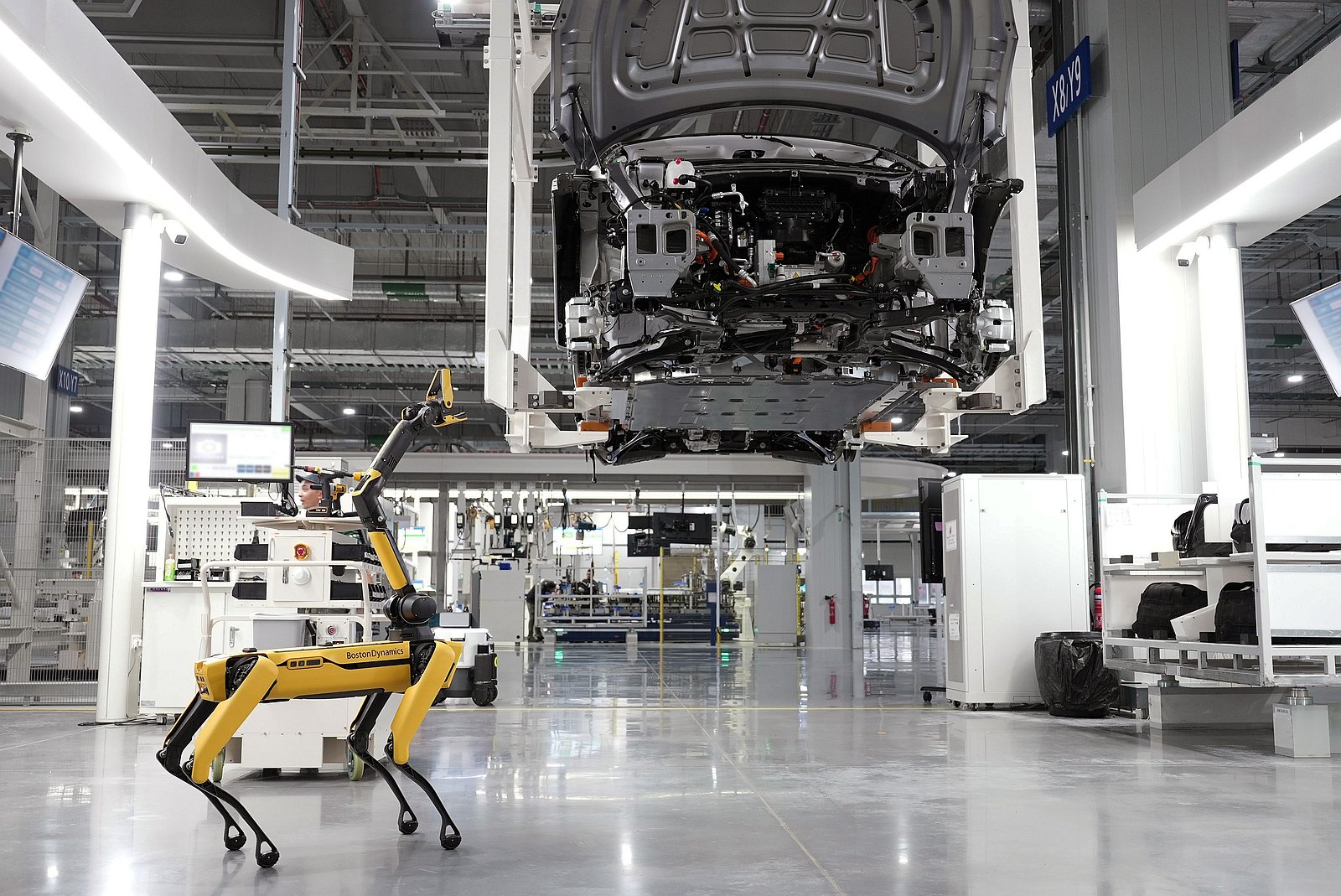
Factories bring together machinery, installations and control systems that must operate in close coordination throughout the production process. Their technical documentation therefore spans numerous disciplines and requires an understanding of each item of equipment, both in isolation and as part of the production line.
I have extensive experience translating content relating to manufacturing lines, industrial plants and automated processes. These projects may include installation, commissioning, operating and maintenance manuals, as well as production procedures, work instructions, quality documentation and safety protocols.
In modern factories, machinery is integrated with programmable logic controllers, industrial robots, sensors, machine vision systems, conveyors and monitoring and control interfaces. Data collection, predictive maintenance, product traceability and communication between equipment and plant management systems are also becoming increasingly important.
Terminology must remain consistent across manuals, interfaces, drawings, labels, alarms and internal procedures. The translation must also accurately reflect the sequence of operations, operating conditions and the responsibilities of different personnel, helping to keep production running smoothly, maintain product quality and protect everyone involved.
Marketing
For more than 20 years, I have translated websites, catalogs, brochures, presentations, campaigns, product descriptions, press releases and social media posts.
Translating marketing content requires far more than a word-for-word rendering. The message must capture the audience’s interest and convey the same brand identity as the original, even if this means adapting its structure, tone or creative devices.
A human translator can interpret subtleties such as intent, irony, humor, wordplay and cultural references. Human translators can also recognize connotations that might sound unnatural, ambiguous or inappropriate in the target market.
Particular attention must be paid to tone, rhythm, word choice and the nuances that distinguish technical, emotional, premium, approachable and persuasive copy.
The result is fluent, compelling copy, written for a Spanish audience and conveying both the message and the spirit of the brand.